Newsroom
News
Releases and research from the team building Anvil — the hail intelligence platform behind Hail Sentinel.
Filter news by type
BACKDROP · ILLUSTRATION Anvil: Our first generation of hail intelligence platform models Meet the four models behind every Hail Sentinel alert — named, versioned, running in production, and graded in the open against the operational baselines the industry runs on. Same storms, same ground truth, same alarm budget: Anvil leads every head-to-head. Read the story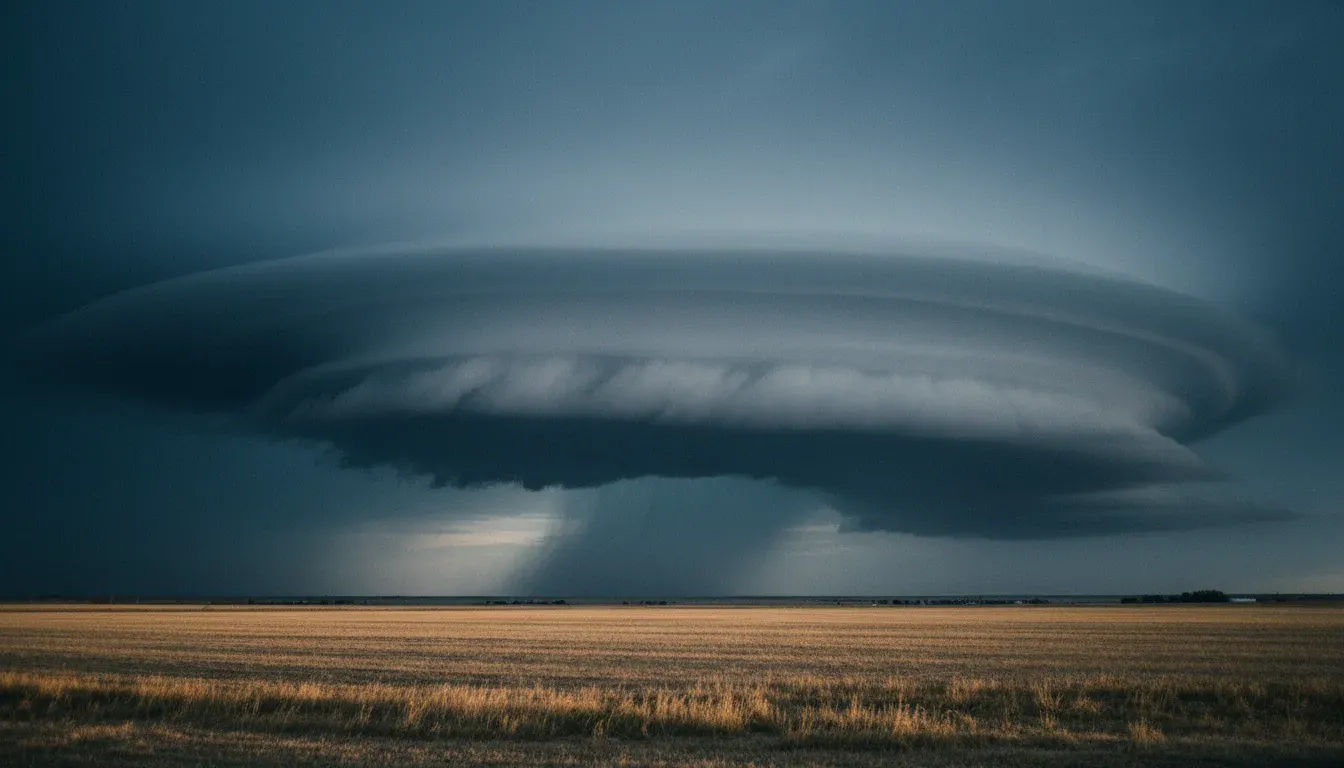
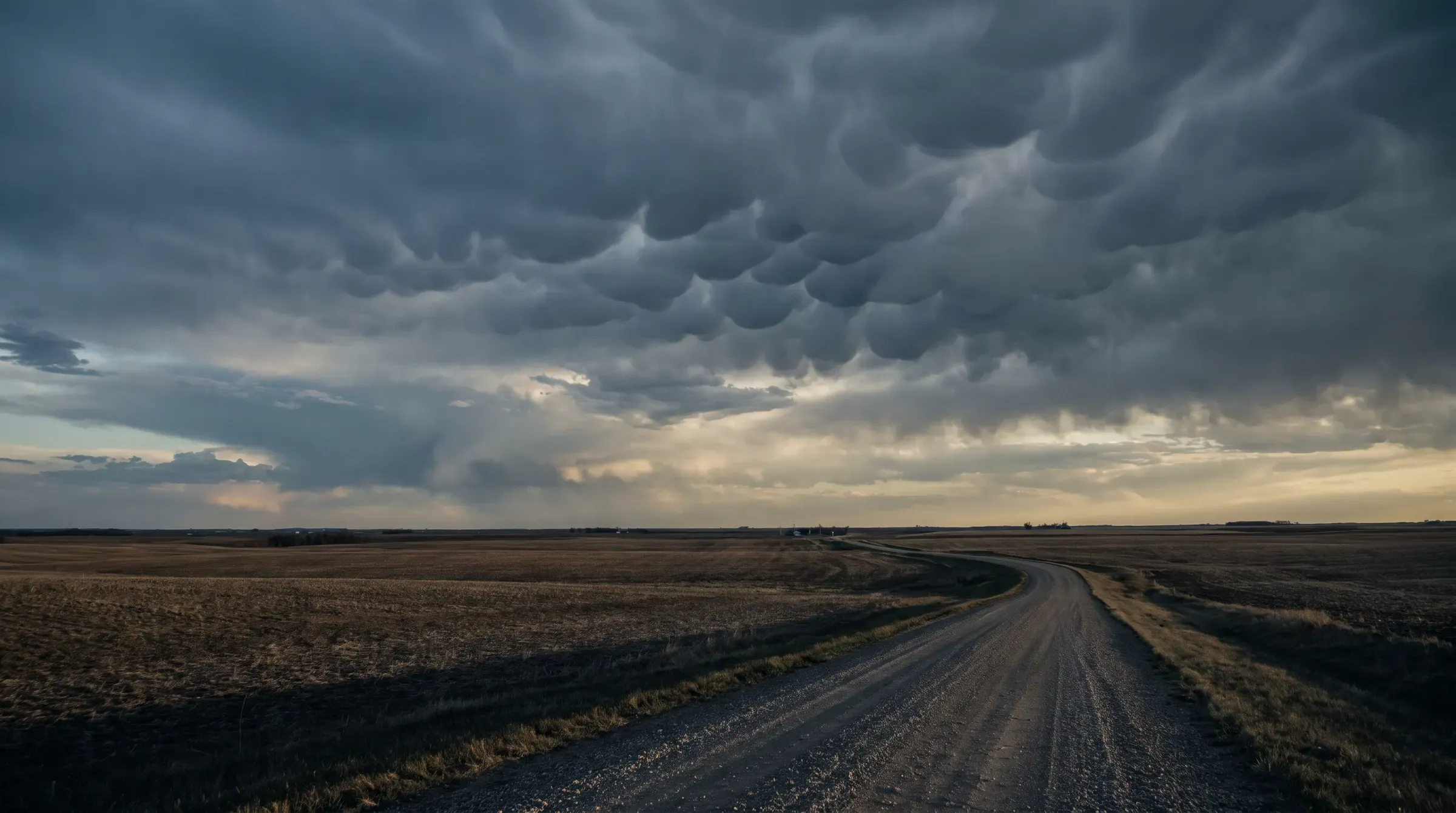
 Hail season doesn’t end in August The second act of the hail year — why autumn cold fronts still drop damaging stones, and how a detection system has to behave differently on quiet cold-air days.
Read
Hail season doesn’t end in August The second act of the hail year — why autumn cold fronts still drop damaging stones, and how a detection system has to behave differently on quiet cold-air days.
Read
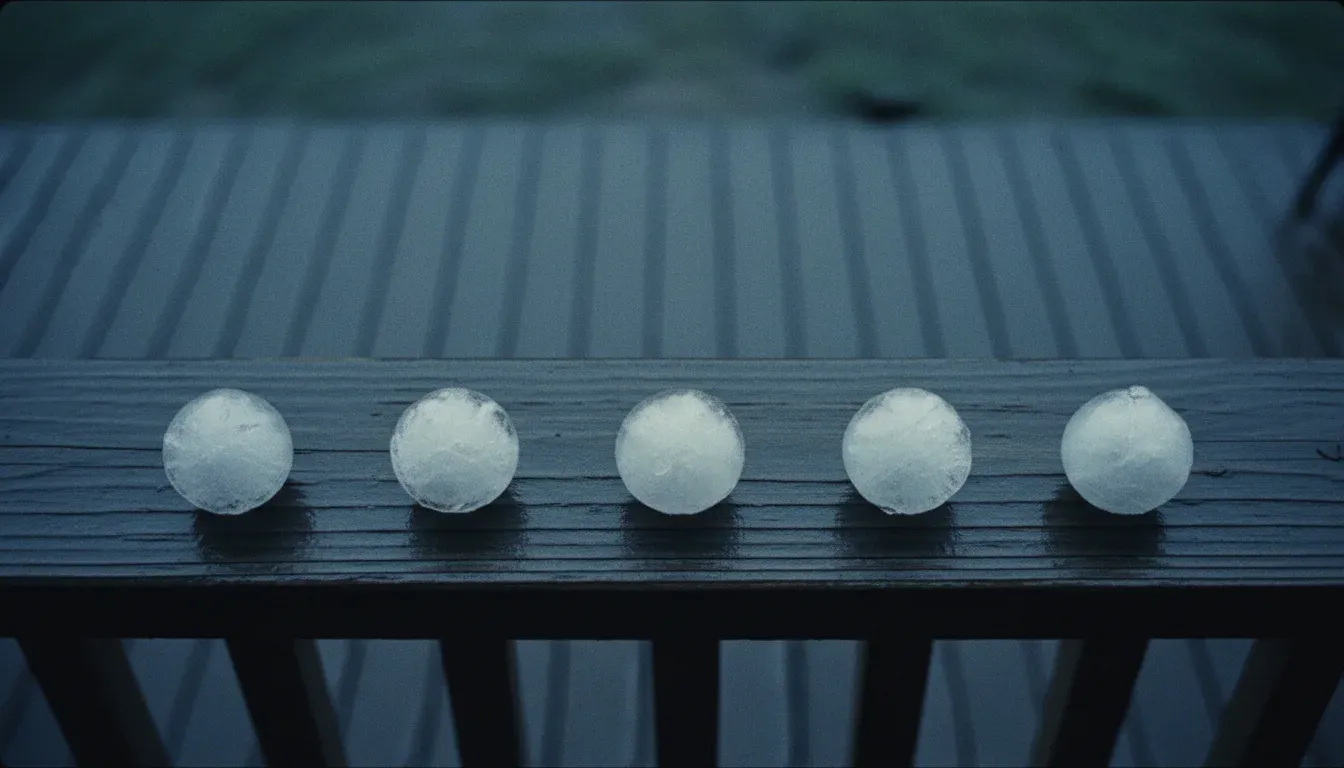 What we mean by a confirmed storm “Corroborated ground truth” is the phrase under every number we publish. Here is the standard, exactly — what counts, what doesn’t, and why we grade ourselves on the strictest cohort we have.
Read
What we mean by a confirmed storm “Corroborated ground truth” is the phrase under every number we publish. Here is the standard, exactly — what counts, what doesn’t, and why we grade ourselves on the strictest cohort we have.
Read
 Hail alerts, now in your inbox Every alert Hail Sentinel pushes can now also arrive as email — the same address-grain trigger, on a channel that survives a dead battery and a muted ringtone.
Read
Hail alerts, now in your inbox Every alert Hail Sentinel pushes can now also arrive as email — the same address-grain trigger, on a channel that survives a dead battery and a muted ringtone.
Read
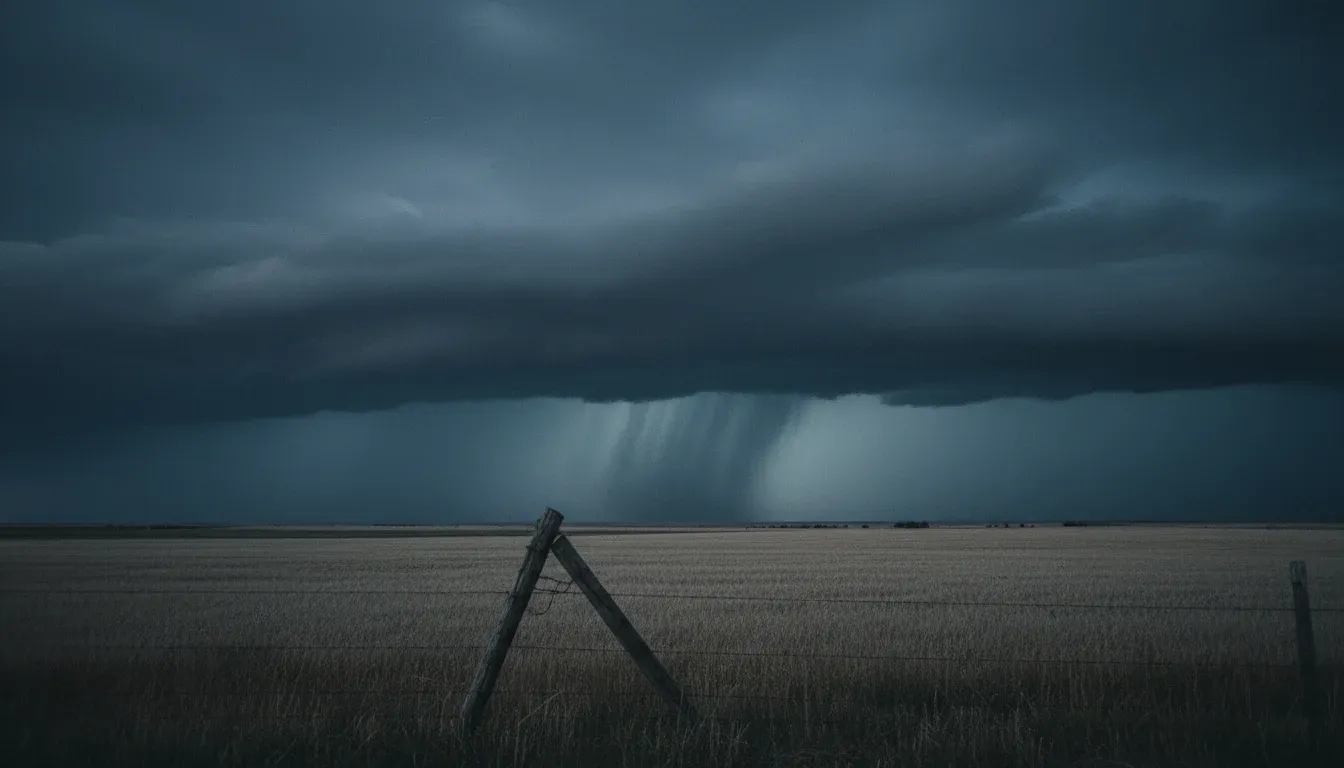 Most hail is never written down Filed ground reports are the industry’s yardstick for hail truth — and they miss most of what radar sees. What that gap does to every accuracy number anyone publishes, ours included.
Read
Most hail is never written down Filed ground reports are the industry’s yardstick for hail truth — and they miss most of what radar sees. What that gap does to every accuracy number anyone publishes, ours included.
Read
 Where hail comes from The anvil cloud is the signature of an updraft strong enough to make hail. Here is the machine inside a hailstorm — and why the name on our models is the name of the cloud.
Read
Where hail comes from The anvil cloud is the signature of an updraft strong enough to make hail. Here is the machine inside a hailstorm — and why the name on our models is the name of the cloud.
Read
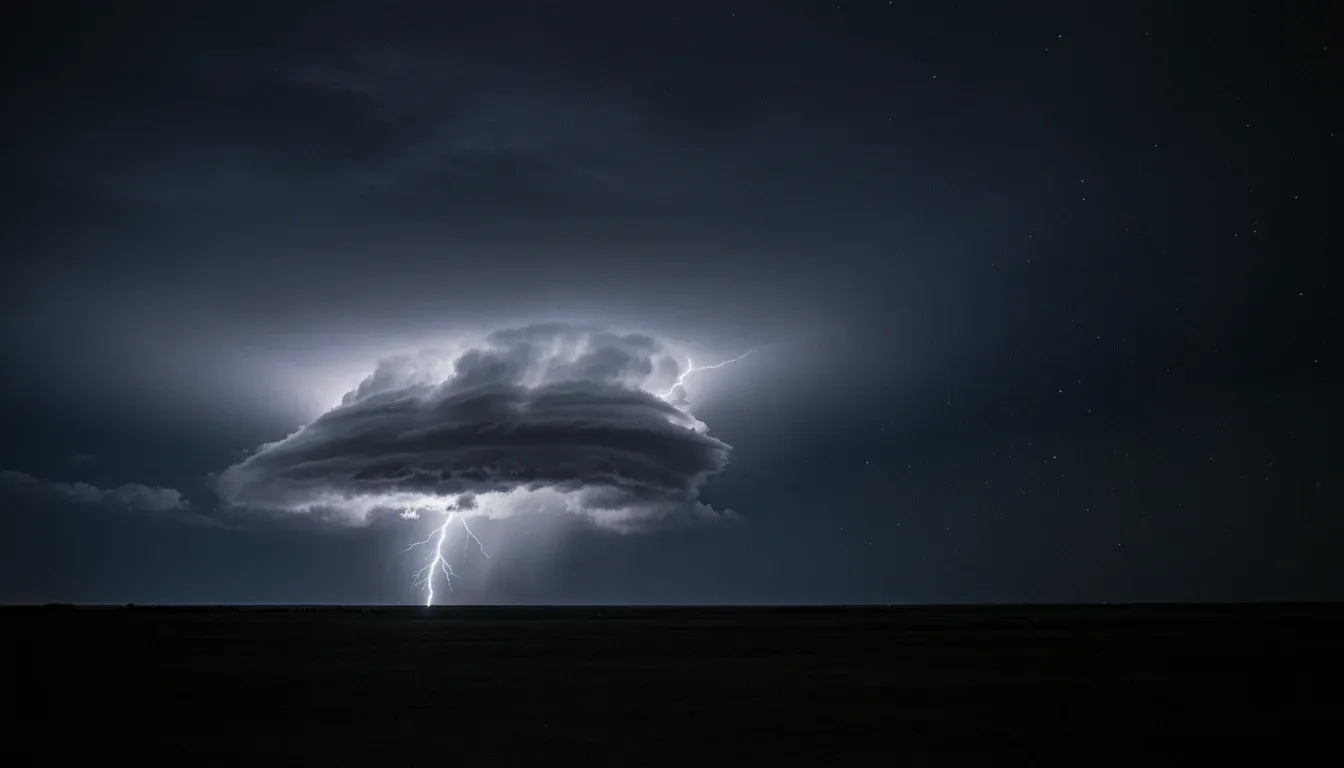 Anatomy of a catch: one storm, three systems On an August afternoon over Cleveland, hail up to 1.75 inches fell across three suburbs. Anvil’s probability peaked as it happened. Neither operational baseline crossed its own threshold at any point in the storm’s life.
Read
Anatomy of a catch: one storm, three systems On an August afternoon over Cleveland, hail up to 1.75 inches fell across three suburbs. Anvil’s probability peaked as it happened. Neither operational baseline crossed its own threshold at any point in the storm’s life.
Read
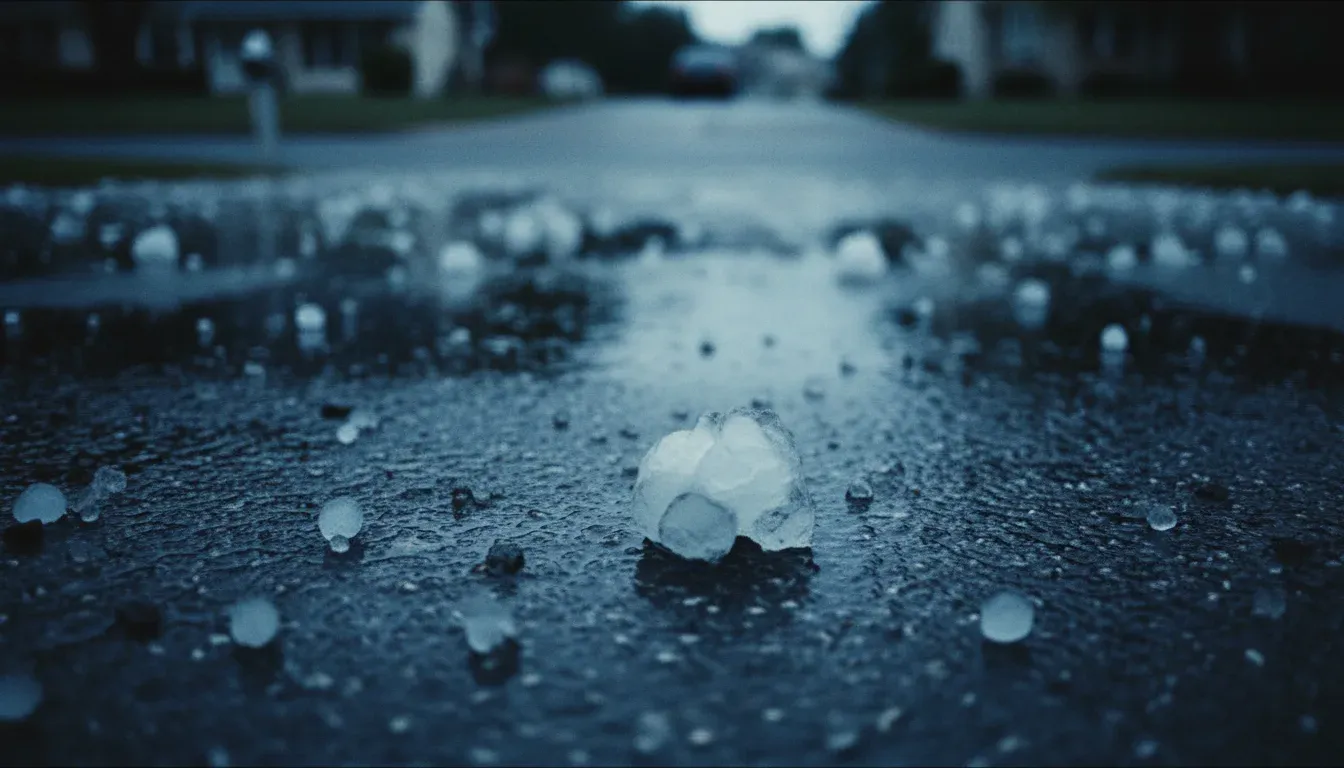 Hail Sentinel is live The app is available today on iOS and Android — real-time hail alerts down to your address, a multi-day outlook, and a full record of every storm that hits home. Founding Member pricing is open through October.
Read
Hail Sentinel is live The app is available today on iOS and Android — real-time hail alerts down to your address, a multi-day outlook, and a full record of every storm that hits home. Founding Member pricing is open through October.
Read